 +90 533 354 39 10




Obesity surgery, with the year afterwards included
What is included
What actually happens
Assessment of your BMI, medication and previous operations before you are accepted.
Endoscopy, blood work and cardiology clearance on arrival.
Surgery performed laparoscopically by a bariatric surgeon in a full hospital.
A dietitian programme that starts in hospital and runs for twelve months.
Scheduled video follow-ups at month 1, 3, 6 and 12.
Body mass index: what it is and how to work it out
What BMI is
Body mass index (BMI) compares your weight with your height. It is the measure the World Health Organization uses to classify overweight and obesity, and it needs nothing more than two numbers: your height and your weight.
Why it matters for obesity surgery
BMI is one of the first things a bariatric surgeon looks at when deciding whether surgery is worth considering. As a general rule, people with a BMI of 40 or more, or 35 or more with a weight-related condition such as type 2 diabetes, high blood pressure or sleep apnoea, are assessed for surgery. Current guidelines also consider lower values for some patients with metabolic disease. The final decision is always made after a full medical assessment.
How it is calculated
Divide your weight in kilograms by your height in metres squared: BMI = weight ÷ (height × height). For example, someone who is 1.70 m tall and weighs 95 kg has a BMI of 95 ÷ (1.70 × 1.70) ≈ 32.9, which falls in the class I obesity range.
Below 18.5: underweight
18.5 to 24.9: healthy weight
25 to 29.9: overweight
30 to 34.9: obesity, class I
35 to 39.9: obesity, class II
40 and above: obesity, class III
Procedures
How each operation works
Keyhole surgery, not open surgery
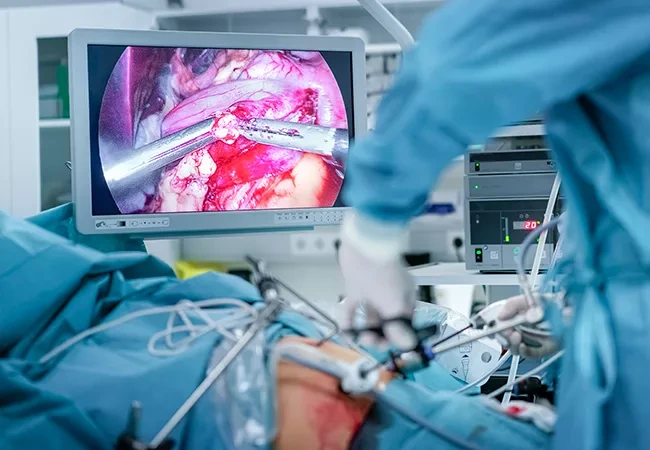
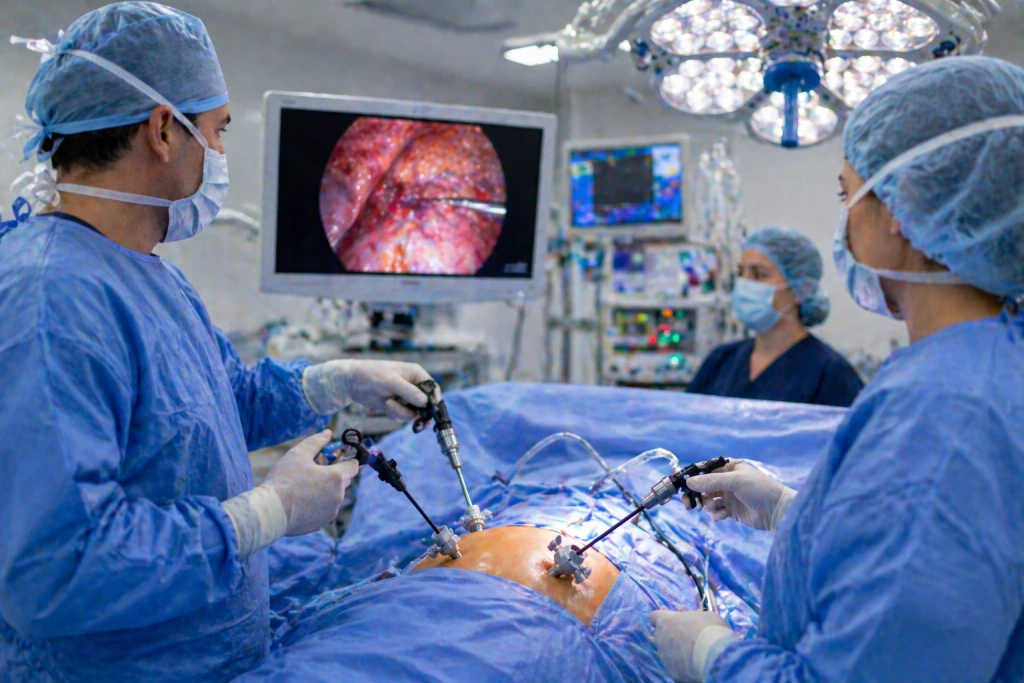
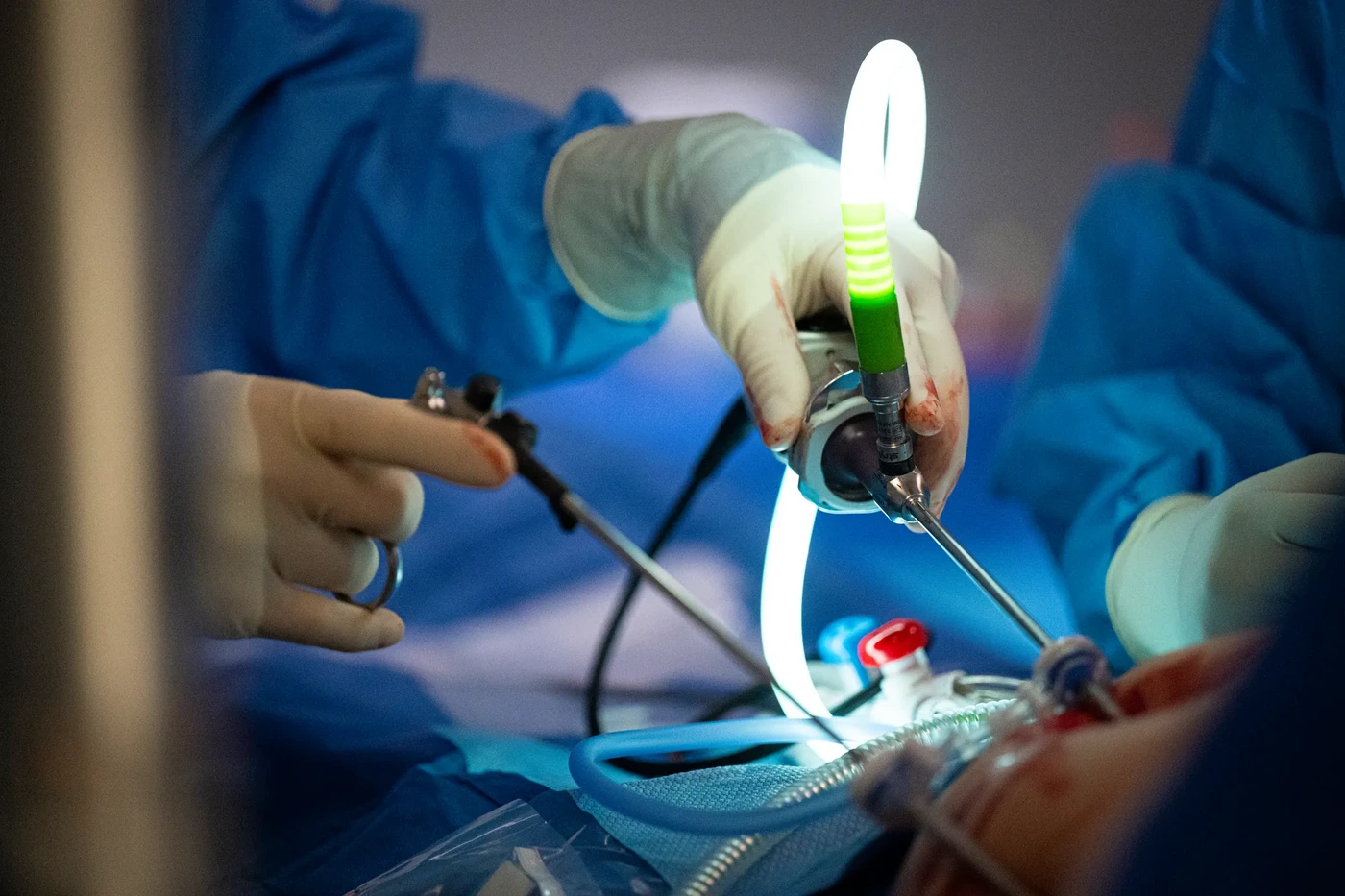
Every operation we arrange is laparoscopic. The surgeon works through four or five incisions of about a centimetre, guided by a camera on the theatre monitor rather than by opening the abdomen. That is why most patients are walking the same evening, out of hospital in three or four nights, and back at a desk job in two weeks.
What a sleeve gastrectomy removes
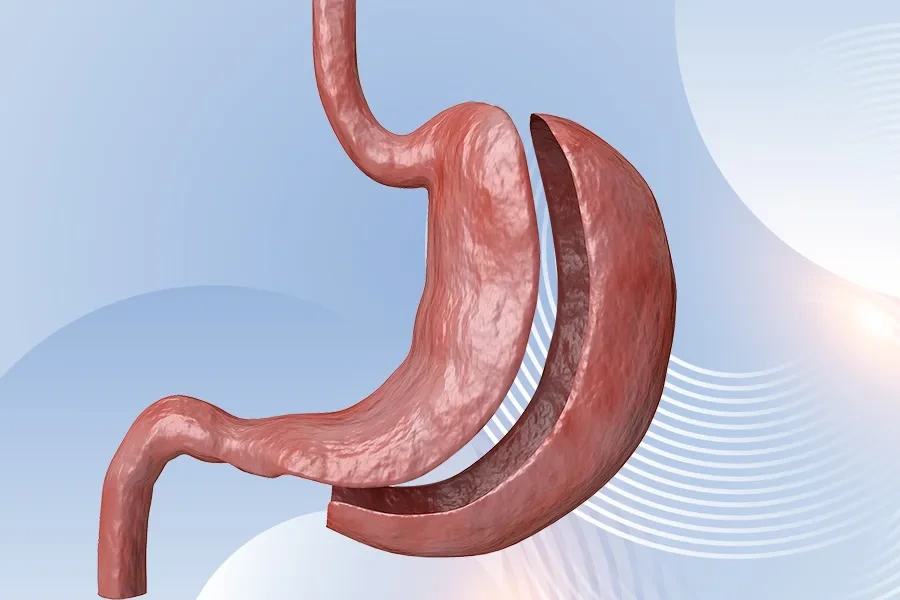
About four-fifths of the stomach is cut away and the rest is stapled into a narrow tube. Two things change: the stomach holds far less, and the part that produces most of your ghrelin — the hormone that drives hunger — is gone. Nothing is rerouted and nothing is left inside you, which is why it is the operation we arrange most often.
How a gastric bypass differs
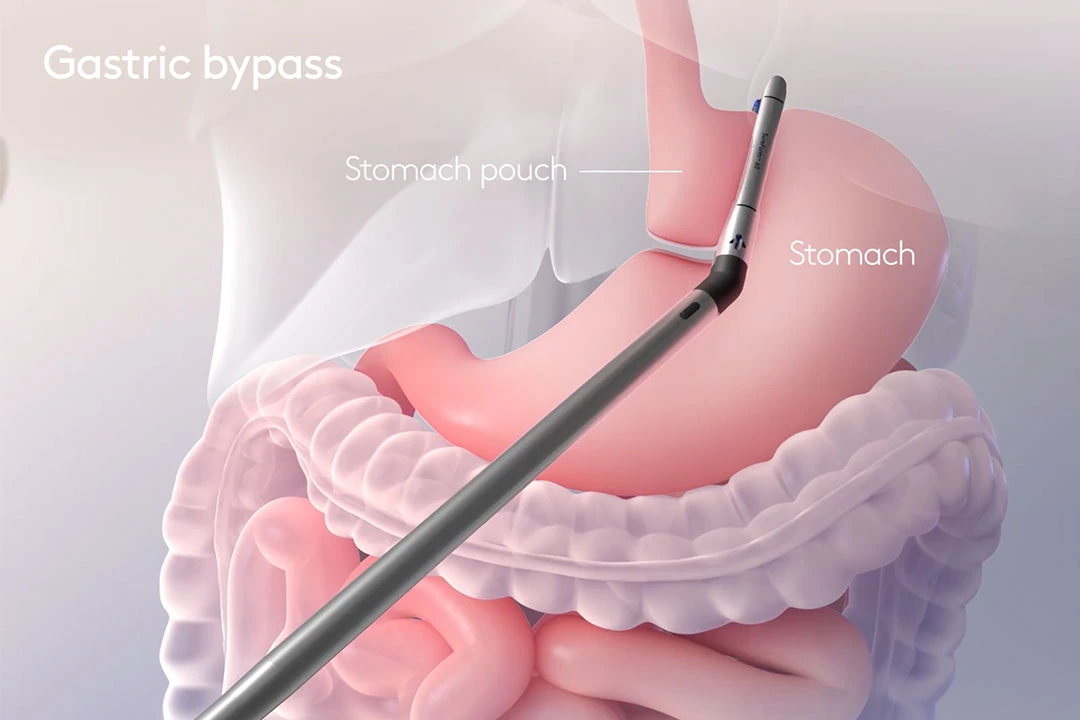
The bypass leaves a small pouch at the top of the stomach and joins it directly to the small intestine, so food skips the rest of the stomach and the first stretch of bowel. You eat less and absorb less. We recommend it over the sleeve when reflux or type 2 diabetes is a large part of the picture, because it usually improves both.
Who is in the room
A bariatric surgeon, an assistant surgeon, an anaesthetist, a scrub nurse and a circulating nurse. The operation takes place in a private hospital with intensive care on the same floor, not in a day clinic. Your anaesthetist reviews your tests and clears you personally the day before.
The checks that come after
A leak test is performed before you leave theatre and repeated before discharge. You start on clear liquids, move to purée under supervision, and go home with a written plan for the twelve weeks that follow. The dietitian who sets that plan is the one who keeps seeing you at month 1, 3, 6 and 12.
Techniques
Which option suits you
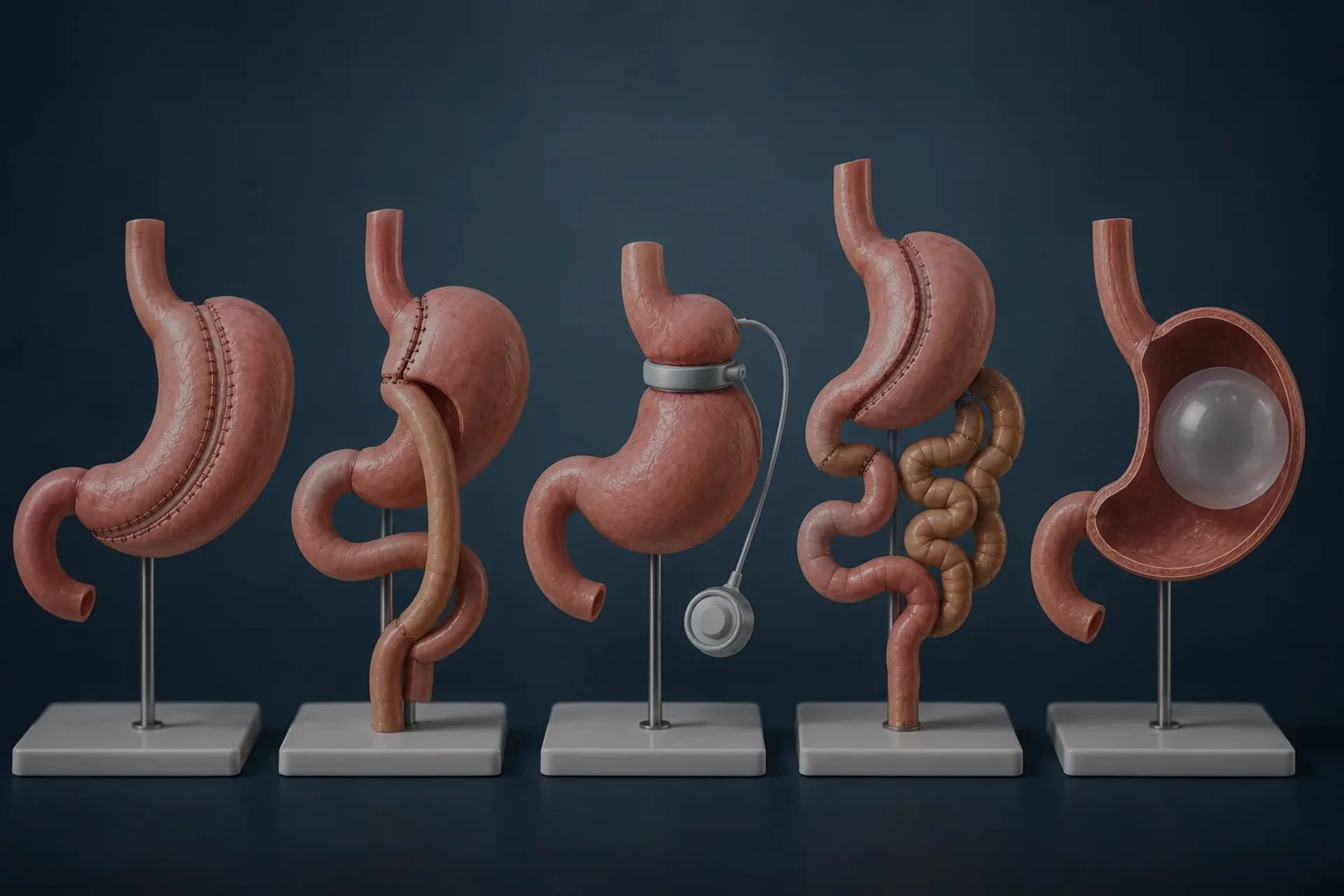
Sleeve gastrectomy
The most common operation we arrange. About 80% of the stomach is removed, leaving a narrow sleeve.
Gastric bypass
Recommended where reflux or type 2 diabetes is a significant part of the picture.
Revision surgery
For people whose earlier sleeve or band has failed. Assessed case by case, and sometimes declined.
Gastric balloon
Non-surgical and temporary. Suitable for a smaller amount of weight, or as a step before surgery.
Your week
How the trip is laid out
1
Day 1
Arrival and transfer. Tests, endoscopy and clearance from the anaesthetist and cardiologist.
2
Day 2
Surgery, laparoscopic, followed by three to four nights on the ward.
3
Days 5–7
Leak test, first liquid meals, and the dietitian programme explained in your language.
4
Day 8
Discharge report, clearance to fly, and your first follow-up appointment already booked.
One price
What the quote covers
Surgeon, anaesthetist and the full theatre team
Three to four nights in hospital, intensive care included if needed
All pre-operative tests, endoscopy and clearances
Twelve months of dietitian support and scheduled follow-ups
Hotel nights, transfers and your coordinator throughout
Flights are the only thing we do not book. If a complication changes the plan, we tell you the cost the same day.
Ask about obesity surgery
Send your photographs or X-rays and we will come back with a written plan and a price. There is no charge and no obligation.